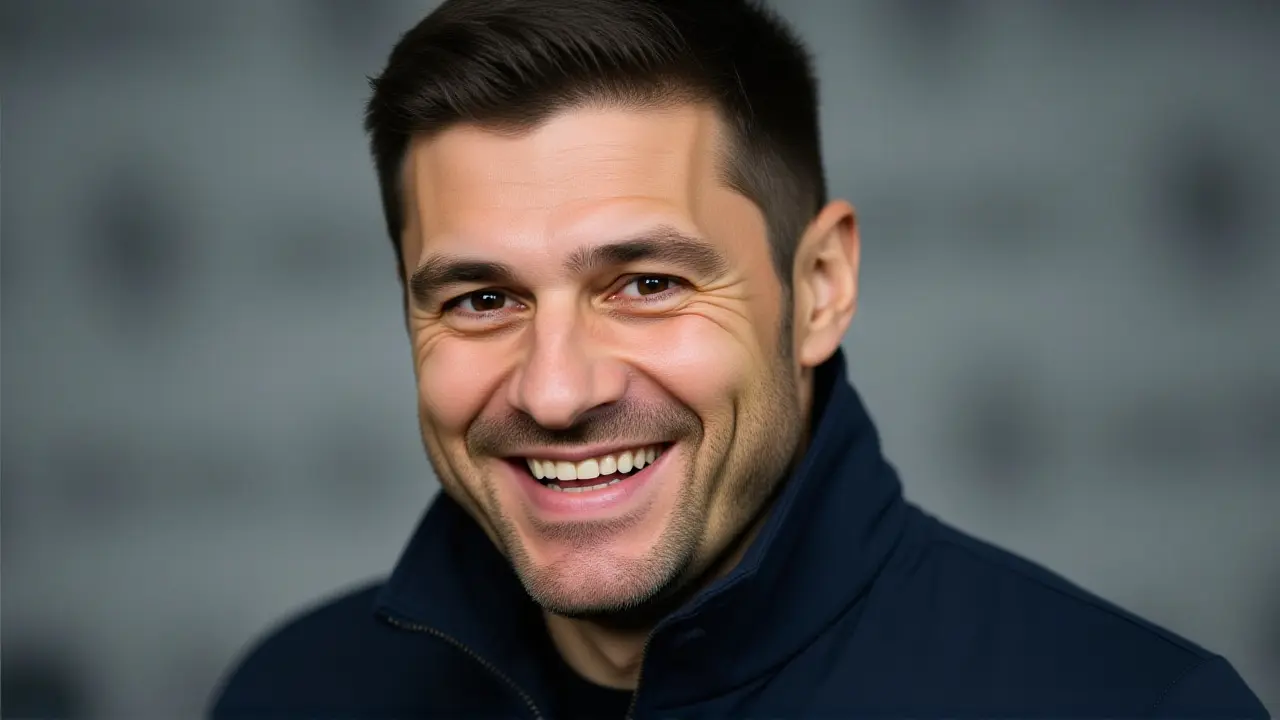
When Xabi Alonso, the former Bayer Leverkusen and Real Madrid manager, officially takes charge of Chelsea FC on July 1, 2026, he won’t just be stepping onto a new pitch. He’s walking into a firestorm. The club has sacked Liam Rosenior after a disastrous campaign that saw the Blues finish 10th in the league—a result that left fans furious and players disconnected. Alonso arrives with a four-year contract and a reputation for tactical brilliance, but his first task isn’t winning trophies. It’s fixing a broken culture.
The timing is no accident. ESPN reporters Mark Ogden and Alex Kirkland note that Chelsea moved quickly to secure Alonso precisely because the rot under Rosenior—and before him, Enzo Maresca—had become undeniable. The ill-discipline wasn’t just a bad season; it was a systemic failure. As one analyst put it, this is a “player problem,” not just a coaching one. And Alonso knows it.
The Discipline Deficit: A Culture Reset Is Non-Negotiable
Let’s get straight to the point: discipline at Chelsea has been absent for two managerial tenures. Under both Maresca and Rosenior, reports emerged of late arrivals, missed training sessions, and public dissent. Hayters highlights that this isn’t about tactics—it’s about respect. Players have operated without consequence, creating an environment where accountability vanished. For Alonso, known for his strict standards at Leverkusen, this will be the first hill he dies on. No exceptions. No favorites. If you don’t buy in, you’re out.
This isn’t theoretical. At Bayer Leverkusen, Alonso built a team that played with precision and unity. They didn’t just win—they dominated through cohesion. At Chelsea, that cohesion is gone. Fixing it means establishing clear hierarchies, enforcing consequences, and rebuilding trust between staff and squad. It’s messy work, but necessary.
Tactical Overhaul: From Chaos to Controlled Aggression
Here’s the thing: finishing 10th isn’t just a morale issue—it’s a tactical one. Scorzo describes the current Chelsea side as “broken,” and there’s truth in that. The team lacks structure, especially in transition. Alonso’s solution? Versatility. According to tactical breakdowns from *The Other Side Of The Coin*, Alonso plans to implement multiple defensive shapes depending on the opponent. Think low block against top teams, high press against weaker sides. Flexibility is key.
But defense is only half the battle. The real challenge lies in attack. Chelsea’s forwards often operate in isolation, lacking synergy. Alonso wants players interchanging across five attacking lanes, creating close-proximity combinations. Imagine Reece James dropping deep to link play, while wingers cut inside to exploit space. It’s complex, yes—but if executed well, it could unlock goalscoring opportunities that have been scarce for years.
The twist? This system demands intelligence and movement. Not every player can adapt. That’s why Alonso will need to make tough decisions about who stays and who goes. Some stars may find themselves benched—or sold—if they can’t fit the new model.
Youth Integration: Cobham’s Promise vs. Transfer Market Reality
Now, here’s where it gets interesting. While Alonso will certainly look to add experience via the transfer market, his long-term vision hinges on maximizing youth talent from Cobham—the club’s famed academy. As noted in recent analyses, providing pathways for young players isn’t just idealistic; it’s financial sense. Signing expensive veterans drains resources, whereas developing homegrown talent saves money and builds identity.
Think about it: Chelsea’s academy has produced gems like Cole Palmer and Conor Gallagher. Why ignore that pipeline? Alonso’s approach at Leverkusen showed he values development alongside performance. By integrating youth early, he creates competition, lowers costs, and fosters loyalty. But it requires patience—and courage—to bench established names for unproven prospects.
Still, the stakes are high. With Estevao Willian potentially missing pre-season due to injury (as reported by *THE CHELSEA TALK DAILY*), Alonso faces an immediate setback. Losing such a promising talent during crucial preparation time adds pressure. Can he rebuild momentum without key pieces? Only time will tell.
What’s Next: Pre-Season Trials and First Tests
Alonso’s first test comes sooner than expected. His debut match will be against Western Sydney Wanderers in Sydney on July 28, part of Chelsea’s pre-season tour. This friendly isn’t just about fitness—it’s a showcase. Fans want to see glimpses of the new system. Media outlets will scrutinize every pass, every substitution. One slip-up, and skepticism grows.
Behind the scenes, Alonso will use these matches to assess readiness. Who adapts quickly? Who struggles? These observations will shape his starting XI when the 2026–27 season kicks off. Expect bold choices. Expect controversy. But also expect clarity—for the first time in years, Chelsea might finally have a plan.
Historical Context: Lessons from Past Failures
To understand how we got here, look back. Since Roman Abramovich sold the club, Chelsea has cycled through managers faster than most franchises change tires. Each brought different philosophies, none lasting long enough to take root. The result? Instability. Lack of direction. A squad unsure of its identity.
Compare that to Alonso’s track record. At Leverkusen, he inherited a mid-table side and turned them into European contenders within two seasons. How? Consistency. Vision. Patience. Those qualities are exactly what Chelsea lacks right now. Whether Alonso can replicate that success remains uncertain—but the potential is undeniable.
Frequently Asked Questions
Why did Chelsea sack Liam Rosenior?
Rosenior was dismissed after guiding Chelsea to a 10th-place finish, widely considered a failure given the club’s ambitions. Reports cited poor results, lack of tactical coherence, and growing discontent among players and fans as primary reasons for his departure.
What specific issues must Xabi Alonso address immediately?
Alonso must tackle three core problems: restoring discipline within the squad, implementing flexible tactical systems, and improving attacking synergy. Additionally, integrating youth talent from Cobham Academy presents both opportunity and challenge.
How does Alonso’s style differ from previous Chelsea managers?
Unlike short-term fixes attempted by predecessors, Alonso emphasizes structural consistency and player development. His methods focus on positional interchange, defensive versatility, and fostering teamwork over individual brilliance.
Will youth players get significant playing time under Alonso?
Yes. Analysts suggest Alonso prioritizes utilizing Cobham graduates to reduce reliance on costly transfers. Providing pathways for young talents aligns with his philosophy of sustainable growth and cost efficiency.
Is Estevao Willian’s injury a major concern for Alonso?
Potentially. Missing pre-season limits Willian’s integration into Alonso’s system, complicating early preparations. However, Alonso’s emphasis on squad depth suggests he’ll rely on alternatives until further notice.
Shreyanshu Singh
May 31, 2026 AT 22:10honestly this whole situation is a absolute circus and i am tired of watching the same old drama play out every season because nothing ever changes at chelsea except the manager on the tin sign
they keep buying these overpriced players who cant even pass to their own teammate and then they wonder why they finish tenth in the league its pathetic really
Gaurav sharma
June 2, 2026 AT 21:04let me tell you something about xabi alonso he is not some magical wizard who can fix your broken ego with a wave of his wand because the problem here is not tactics it is pure laziness and entitlement from players who think they are above the club
i have seen enough of this european football culture where players treat contracts like suggestions and training sessions like optional social gatherings and if alonso does not throw half the squad out on day one then he is just another puppet dancing for the owners
the discipline deficit mentioned in the article is an understatement it is a cancer that has eaten away at the soul of this institution and unless someone with a spine steps up to cut out the rot we will continue to bleed money and dignity until there is nothing left but a hollow shell of a team that fans mock instead of support
Twinkle Vijaywargiya
June 3, 2026 AT 05:11I completely agree with the sentiment regarding the need for structural change, however, we must also consider the human element involved in such drastic transitions. The integration of youth talent from Cobham Academy is not merely a financial decision, but a moral imperative for the sustainability of the club's identity. It creates a sense of belonging and continuity that fleeting superstars simply cannot provide.
Subramanian Raman
June 4, 2026 AT 17:30it is fascinating to see how the narrative shifts from blaming the manager to blaming the players' character traits :D I wonder if the lack of tactical coherence under Rosenior was actually a symptom of deeper organizational failures rather than just individual player indiscipline? Perhaps the board needs to look in the mirror before pointing fingers at the dressing room dynamics.
Swetha Sivakumar
June 6, 2026 AT 17:15i mean its gonna be interesting to watch how he handles the press especially since everyone expects miracles right away but honestly i just want to see a team that plays together without looking lost on the pitch
Prashant Sharma
June 7, 2026 AT 16:41one might argue that the emphasis on 'discipline' is a simplistic reduction of complex systemic issues within modern football management. The notion that Alonso’s success at Leverkusen translates directly to Chelsea ignores the distinct cultural and financial contexts of both clubs. Furthermore, the idea that youth integration solves financial woes is naive; the academy produces talent, yes, but the market demands immediate returns which often contradicts long-term developmental philosophies.
Anoop Sherlekar
June 8, 2026 AT 17:08LET'S GOOOO!!! Xabi is going to bring the fire back to Stamford Bridge!! 🔥🔥🔥 Finally some real leadership after years of chaos! I believe in the project and I know the fans do too! #CFC #AlonsoEra
Siddharth SRS
June 10, 2026 AT 06:03It is incumbent upon us to recognize that the historical context provided in the article serves as a cautionary tale regarding the perils of managerial instability. The cyclical nature of hiring and firing managers without allowing sufficient time for philosophical implementation has resulted in a fragmented squad identity. Therefore, the patience required for Alonso’s methods to take root may exceed the typical threshold of fan expectation, necessitating a broader understanding of strategic patience versus immediate gratification in sports management.
Megha Khairnar
June 11, 2026 AT 05:48there is a deep philosophical truth in the idea that a team reflects its environment. if the culture is broken, no amount of tactical genius can fully repair it overnight. we must embrace the journey of healing and trust that the new direction brings harmony to our chaotic past.
Sohni Bhatt
June 11, 2026 AT 08:53you people are all so naive to think that a spanish manager will understand the intricate nuances of english football culture and the specific demands of the premier league which is far superior to any other league in terms of physicality and pace
we need a british manager who understands our heritage and our pride not some foreign interloper who thinks he can impose his continental ideas on our glorious history without facing the brutal reality of our competitive landscape
diksha gupta
June 12, 2026 AT 01:26im hopeful that the focus on youth will bring a fresh energy to the team because seeing young players step up always feels exciting and full of potential
Navya Anish
June 12, 2026 AT 19:37this article is complete garbage and whoever wrote it clearly has never watched a single minute of chelsea football because they dont understand that the problem is not discipline it is the sheer incompetence of the board who keep buying useless players
alonso is just another name on a list of failed experiments and i predict he will fail miserably just like the rest of them because the foundation is rotten to the core
Mike Gill
June 13, 2026 AT 20:02i think we should give him a chance though its been hard times lately but maybe things will get beter soon lets hope for the best guys
Sai Krishna Manduva
June 14, 2026 AT 08:40considering the vast differences between the Bundesliga and the Premier League, one must question whether the tactical flexibility touted by Alonso will hold up against the relentless physicality of English defenses. The notion that versatility alone can overcome structural deficits is somewhat optimistic, bordering on delusional, given the track record of previous managers who promised similar revolutions. However, the integration of youth remains a compelling argument, provided the senior players do not sabotage the process through sheer inertia.