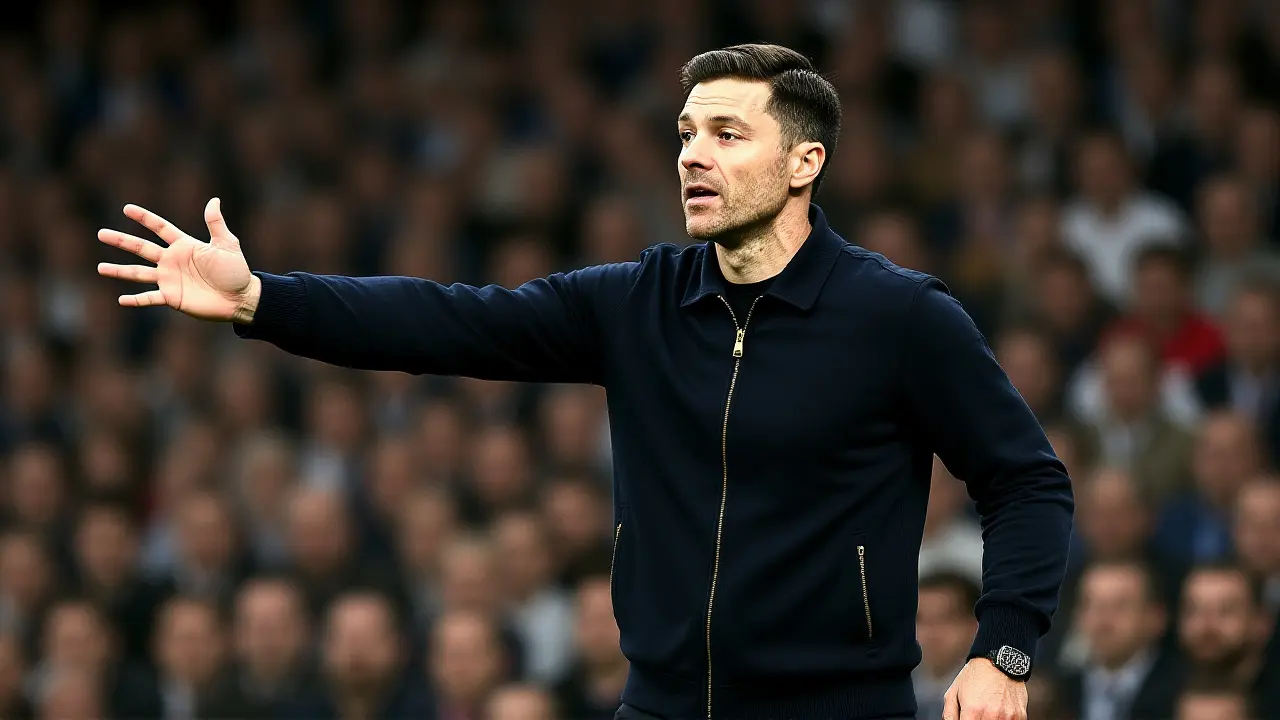
It’s the appointment everyone saw coming, yet it still sent shockwaves through European football. Real Madrid has officially confirmed that Xabi Alonso, head coach of Bayer Leverkusen, is their new manager. The club hailed him as "one of the best coaches in the world," a title earned not by hype, but by an unprecedented run of dominance in Germany.
The announcement came on a Sunday, with Alonso set to take charge starting June 1. His contract runs until June 2028, signaling a long-term commitment from Santiago Bernabéu. But here’s the twist: this isn’t just about hiring a star. It’s about replacing Carlo Ancelotti, manager of Brazil national team, who is leaving to manage his home country. For fans worried about stability, the timing couldn’t be more critical.
A Historic Departure and Arrival
To understand why Alonso is the chosen successor, you have to look at what he left behind. At Bayer Leverkusen, Alonso didn’t just win; he rewrote the rulebook. He guided the German side to their first-ever Bundesliga title, breaking a decades-long drought. More impressively, he orchestrated a 51-match unbeaten streak across all competitions.
That number—51—is staggering. It surpassed the previous European record held by Benfica from 1963 to 1965. Think about that context: a modern-day team outlasting a mid-20th-century benchmark. The streak only ended in the Europa League final against Atalanta, but by then, the legacy was cemented. Alonso also won the DFB-Pokal, defeating Kaiserslautern in the process. This wasn’t luck; it was tactical mastery.
Meanwhile, Ancelotti’s exit creates a vacuum. The Italian legend managed Real Madrid to multiple Champions League titles, but his departure for Brazil leaves a massive footprint. Real Madrid needed someone who could maintain that winning culture while injecting fresh ideas. Alonso fits that bill perfectly. He knows the club’s soul—he played there for years, winning six major trophies, including the club’s 10th European Cup in Lisbon.
Immediate Pressure and Early Signs
Don’t let the prestige fool you. The pressure on Alonso starts immediately. Reports from ESPN indicate he was already "under-fire" early in his tenure, facing scrutiny over results. But football is a game of moments, and one match changed the narrative.
In a tense LaLiga clash against Deportivo Alavés at Mendizorroza stadium, Real Madrid found themselves trailing 1-1 after Carlos Vicente equalized Kylian Mbappé’s opener. The atmosphere was thick with tension. Then, in the dying minutes, Rodrygo scored the winner, assisted by Vinícius Júnior. It was a 2-1 comeback victory that did more than secure three points—it eased the immediate pressure on Alonso.
After the match, Alonso emphasized "unity" as the key factor. He didn’t talk tactics or formations; he talked about the group. That’s a subtle but powerful message. In high-stakes environments like Real Madrid, cohesion often matters more than individual brilliance. Alonso seems to understand that better than most.
The Tactical Shift Ahead
So, what does this mean for the future? Alonso brings a distinct style—possession-based, high-intensity pressing, and fluid movement. At Leverkusen, he transformed a mid-table side into European contenders. Now, he faces a squad filled with superstars like Mbappé, Vinícius, and Jude Bellingham.
The challenge? Integrating these egos into a cohesive unit. Ancelotti managed stars with charm and flexibility. Alonso will likely rely on structure and discipline. Fans are watching closely to see if this approach works in Spain’s demanding league. The 2024-2025 season will be a litmus test.
Experts suggest that Alonso’s success will depend on how quickly he adapts his system to Real Madrid’s resources. Unlike Leverkusen, where he built from scratch, he now inherits a ready-made machine. The question isn’t whether he can win; it’s whether he can win *his* way.
Broader Implications for European Football
This move sends ripples across Europe. Other clubs are taking note. If Alonso succeeds at Real Madrid, he becomes the gold standard for modern coaching. His ability to develop young talent while managing veterans is rare. Clubs like Manchester City and Bayern Munich will study his methods closely.
Furthermore, Ancelotti’s move to Brazil adds another layer of intrigue. The Brazilian national team has struggled with consistency in recent years. Can Ancelotti replicate his club success on the international stage? Meanwhile, Alonso’s rise proves that former players can transition seamlessly into elite management roles.
The landscape of European football is shifting. Traditional powerhouses are investing in tactical innovators rather than just big names. Real Madrid’s decision reflects this trend. They’re betting on intelligence, adaptability, and proven results.
What’s Next for Los Blancos?
Alonso’s official presentation is scheduled for Monday following the announcement. Expect a flurry of media attention, player interviews, and tactical previews. The summer transfer window will also play a crucial role. Will Alonso demand new signings? Or will he work with the existing squad?
Fans should watch for changes in training intensity and pre-season friendlies. These early indicators will reveal Alonso’s priorities. One thing is certain: the era of Carlo Ancelotti is over. The age of Xabi Alonso has begun.
Frequently Asked Questions
When does Xabi Alonso start at Real Madrid?
Alonso officially begins his duties on June 1, with his contract running through June 2028. This four-year deal provides stability for the club as they plan for the next decade.
Why did Carlo Ancelotti leave Real Madrid?
Ancelotti departed to take charge of the Brazil national team. His decision marks a significant shift in international football, as he aims to bring his successful club tactics to the Seleção.
What records did Alonso break at Bayer Leverkusen?
He led Leverkusen to a 51-match unbeaten streak, surpassing Benfica’s historic record from 1963–1965. Additionally, he secured the club’s first-ever Bundesliga title and the DFB-Pokal in the same season.
How did Alonso handle early pressure at Real Madrid?
Despite initial scrutiny, Alonso stabilized the situation with a 2-1 comeback win against Alavés. He emphasized team unity post-match, focusing on collective effort rather than individual performances to rebuild confidence.
Did Alonso play for Real Madrid before coaching them?
Yes, Alonso was a key player for Real Madrid, winning six major trophies including the 10th European Cup in Lisbon. His deep understanding of the club’s culture makes him a natural fit for the managerial role.