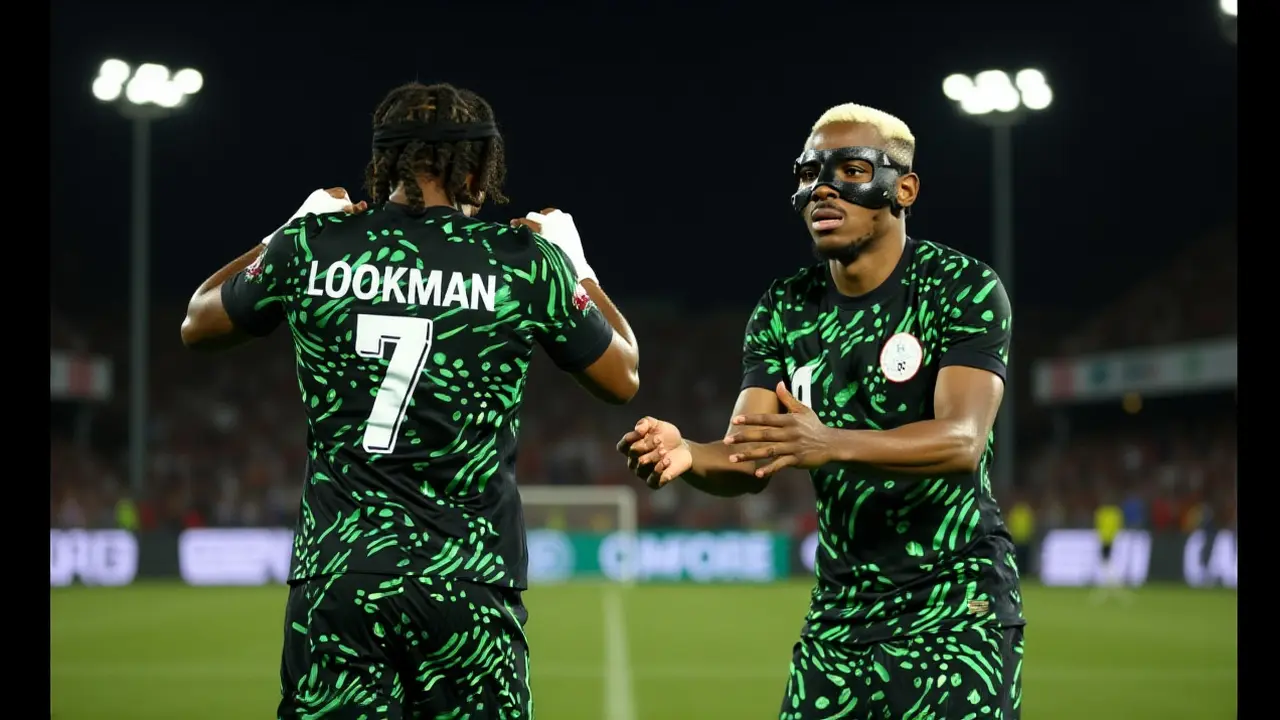
It was supposed to be a consolation prize, but for Nigeria, finishing third feels like winning the whole thing again. On Saturday, the Super Eagles secured their record-extending ninth Africa Cup of Nations bronze medal with a gritty 4-2 penalty victory over Egypt at Stade Mohamed V in Casablanca. The match ended goalless after extra time, meaning goalkeeper Stanley Nwabali became the real hero when he denied the Egyptian giants.
Turns out, there's nothing quite like the pressure of a shootout, especially when legends like Mohamed Salah are stepping up. But wait—history shows us something peculiar here. This wasn't just any random victory. It marks another perfect chapter for the Super Eagles in third-place playoffs. They've now won every single one they've contested since their first in 1978. That kind of consistency in "losers' brackets" is rare in international football.
The Night Nwabali Stepped Up
The story wasn't written in the regular ninety minutes. Both sides cancelled each other out in terms of chances, leading to a tense stalemate. Stanley Nwabali emerged as the decisive figure once the whistle blew for penalties. He saved shots from Mohamed Salah and Omar Marmoush. Those two misses changed everything. While Delle Bashiru missed Nigeria's first attempt, the team found enough composure to let Ademola Lookman step up and seal the deal.
You have to respect the mindset required to handle that. It's easy to score goals, but stopping world-class strikers when your team's reputation is on the line? That's different. Nwabali kept his cool throughout the drama. Earlier in the game, Egypt's Mohamed Hanny had crossed for Salah, but Nwabali intervened quickly. Later, Ajayi also stepped in to save a second attempt from the Egyptian star. These individual efforts added layers to what could have been a forgettable draw.
Leadership Changes and Squad Dynamics
Behind the scenes, things were shifting dramatically for Nigeria. Wilfred Ndidi took the captain's armband this tournament. It's a significant transition following William Troost-Ekong's retirement from international duty. Ndidi, who plays for Leicester City, managed to lead the team despite missing three matches. He sat out the game against Uganda for rest, missed the semifinal against Morocco due to suspension, and skipped this final clash against injury.
Yet, he still guided the side through the campaign. Both teams made significant lineup changes coming into this match compared to their semifinals. Nigeria made five changes, while Egypt shuffled six players. It was clear that coaches viewed this as a morale booster rather than a tactical trial. Egypt came in with a respectable history, having won three previous bronze matches themselves. However, their last appearance in this fixture dates back to 1984, when Algeria defeated them in Abidjan. That means it's been over forty years since the Pharaohs stood on this podium stage.
A Legacy Built on Efficiency
Looking back, Nigeria's relationship with the bronze medal has always been defined by control. From narrow wins in 2002 and 2006, to decisive victories in 2010 and 2019, and now another shootout triumph in 2025, they consistently find a way to finish tournaments on the podium. Technically, they even finished third in 1976 without a dedicated playoff match, thanks to a round-robin system back then. Since 1978, however, they have gone unbeaten in actual third-place games.
The broader picture matters too. The Super Eagles reached the semifinals with the tournament's most potent attack before narrowly losing to hosts Morocco on penalties. That semifinal exit hurt, but beating Egypt provided tangible reward for their consistency across the competition. Historically, AFCON third-place matches often produce drama and controversy. But for Nigeria, it's been almost routine. Their perfect record in these fixtures is unmatched by any nation in the competition's history.

What Comes Next for the Eagles?
With a record ninth bronze medal in hand, the team will be eager to shore up their defense. The campaign tested resolve and exposed some weaknesses, but it also highlighted the promise of a new generation. Ndidi's leadership and Alex Iwobi's flair inspired many fans. As for Egypt, the defeat marks another chapter in their wait for silverware. Their last third-place appearance was more than four decades ago. With the final between Morocco and Senegal scheduled shortly after, attention shifts immediately to the champions.
Frequently Asked Questions
How does Nigeria's bronze medal record compare historically?
Nigeria holds an unmatched record in third-place playoff history. They have won all eight actual third-place matches contested since 1978, bringing their total bronze medals to nine. No other nation has maintained such a perfect win rate in these specific classification matches.
Who was the key player in the penalty shootout?
Goalkeeper Stanley Nwabali was the decisive figure. He successfully saved penalty kicks from Egyptian stars Mohamed Salah and Omar Marmoush. His clean sheet performance turned a potential loss into a 4-2 victory for the Super Eagles.
Why did Wilfred Ndidi take the captaincy?
Ndidi took the armband following William Troost-Ekong's retirement from international football. Despite missing key matches due to injury and suspension, Ndidi remained central to the leadership structure throughout the 2025 AFCON campaign.
When did Egypt last reach a third-place match?
Egypt's previous third-place appearance occurred in 1984 in Abidjan. They lost that match to Algeria. This 2025 appearance ended a wait of over forty years for another opportunity to contest the bronze medal position.
Andrea Hierman
March 27, 2026 AT 06:53It's hilarious how Nigeria treats bronze like gold while everyone else cries about missing silver.
Danny Johnson
March 27, 2026 AT 13:53You're right about the mindset needed for those shootouts.
Keeping cool under pressure is the hardest skill to teach young players.
Christine Dick
March 27, 2026 AT 16:05The statistics indicate a flawless record! It is truly remarkable!!! They have won every single third place match since 1978! That consistency is absolutely unheard of in modern sports!!!
Jullien Marie Plantinos
March 27, 2026 AT 21:57Egypt has been trying to get back on that podium for forty years and still fail!!!
Nigeria shows them who really owns Africa football.
Jason Davis
March 28, 2026 AT 15:27Okay so I am looking at all the numbers and its wild to see this history
Nigeria is basically the kings of the consolation prize now
Its super rare to find a nation that dominates the losers bracket like this
I remember watching the 2006 final loss and feeling bad then too
But seeing Nwabali save those penalties was a massive flex
Salah missed his spot kick which surprised a lot of fans
Marmoush also stepped up slow which made the difference there
The team chemistry seems much stronger with Ndidi leading
Even though he missed games he kept the vibe right
Gotta respect the squad rotation they did during the tournament
Sometimes resting stars is harder than playing them nonstop
You see other teams collapse under fatigue often enough
This group managed to stay sharp until the end
Penalty shootouts separate the men from the boys always
I think next tournament will be tough for Morocco now
But Nigeria proved they are consistent performers here
Crystal Zárifa
March 29, 2026 AT 17:52Fair points but lets not forget the trophy cabinet dust
Bronze is nice but Gold is what matters in reality
Serena May
March 30, 2026 AT 18:16Nwabali is literally the goat 🐐🇳🇬🔥
Cheryl Jonah
March 31, 2026 AT 14:47People ignore that the refs might have watched the replays differently for the saves
There is always more to these stories than shown on TV
James Otundo
April 1, 2026 AT 13:24This victory is frankly hollow given the context of the tournament structure
True champions do not rely on penalty tiebreakers for validation
It feels like a participation award dressed up as a triumph
Sarah Day
April 3, 2026 AT 01:09I get the point about penalties being luck
Still good to see them finish high up the standings
Maybe they learn something for the World Cup qualifiers
ryan pereyra
April 3, 2026 AT 21:03The tactical variance between the semi and this playoff was immense
Lookman stepping up indicates a psychological shift in the defensive block
Coaching staff utilized substitution windows with surgical precision today
Jane Roams Free
April 4, 2026 AT 17:05Affirming the culture of excellence is important for the next generation
Showing young fans that persistence pays off eventually
Pride comes before failure but humility brings medals
Anthony Watkins
April 5, 2026 AT 10:03Egypt played soft again like usual
No one cares about their excuses for the last forty years
Nigerian grit is superior on the international stage always
Bryan Kam
April 5, 2026 AT 15:08Take your blinders off sometimes
Talent doesn't matter without coaching discipline
Cheri Gray
April 7, 2026 AT 08:19Yea coching matters alot but talent wins games too
Thre was so many chances saved by Nwabalii
Hope they fix the deffense for nexy time