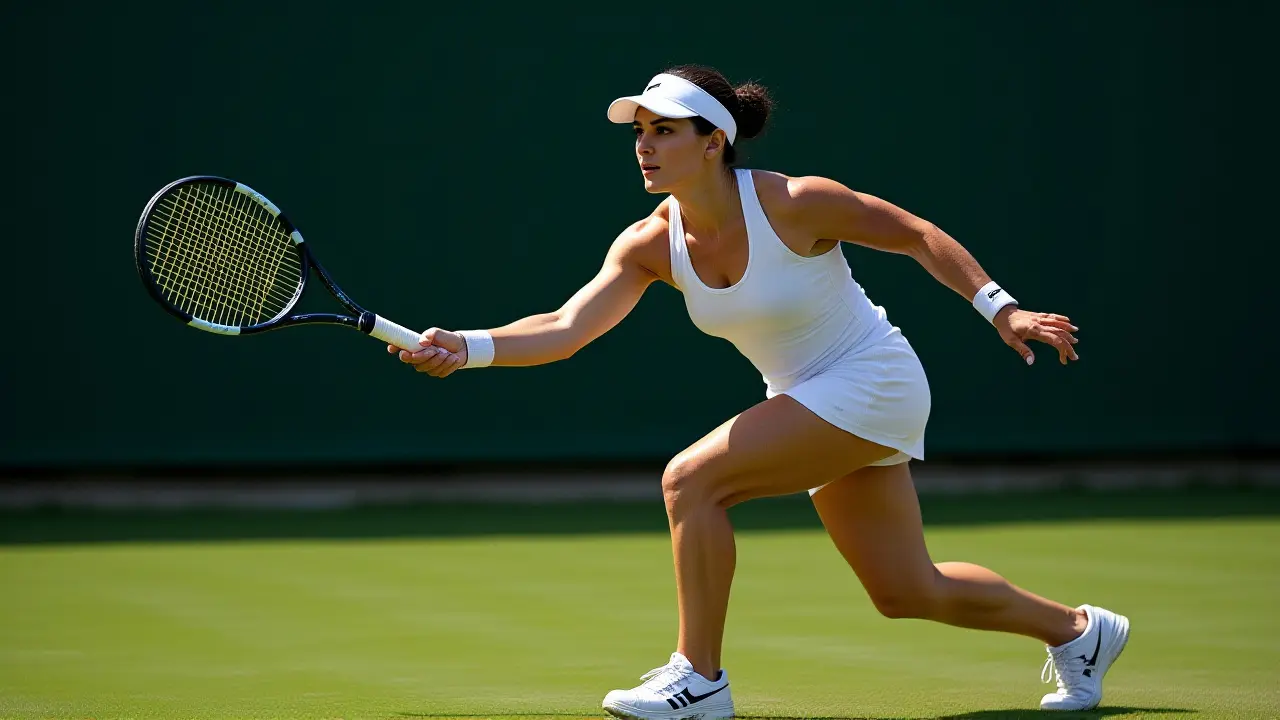
It’s a lonely walk to the baseline for Arthur Fery, British men's number three. As the second round of Wimbledon 2026the All England Lawn Tennis and Croquet Club concluded on Thursday, Fery stood as the last man standing from Great Britain in the singles draw. The rest? Gone. It’s been a brutal week for home hopes at SW19, marked by injuries, shock exits, and what one outlet called a "bloodbath." Now, all eyes are on the 23-year-old wildcard who grew up just stones away from Centre Court.
The twist is that this wasn’t supposed to be a year of scarcity. Twenty-one British players entered the main singles draws—the highest number in years, including three qualifiers for the first time since 1999. But tennis is cruel. By mid-week, that large contingent had evaporated, leaving Fery to carry the weight of a nation’s expectations against Belgian challenger Zizou Bergs in the third round.
A Brutal Week for British Hopes
Here’s the thing about Wimbledon: it doesn’t care about your nationality or your ranking. And this year, it seemed particularly unforgiving to home soil competitors. The mood shifted dramatically after Day 2. While there were some bright spots—like Katie Swan’s gritty performance—the narrative quickly turned sour. The Evening Standard didn’t mince words, describing the tournament as a "British bloodbath."
The trouble started before a ball was even hit. Emma Raducanu, the former junior champion, withdrew due to injury. Then came the news that rising star Jack Draper also pulled out, citing physical issues. When those who did step onto the grass courts failed to secure a single win on a pivotal day, the despair set in. Ten British players lost their matches in one session. It was, according to reports, the worst day for British tennis at Wimbledon this century.
By Thursday, only four names remained: Jacob Fearnley, Jan Choinski, Katie Swan, and Arthur Fery. One by one, they fell. Fearnley, Choinski, and Swan were eliminated, leaving Fery isolated in the third round. It’s a stark contrast to July 2016, when British players won five titles, headlined by Andy Murray’s emotional victory. Back then, the air buzzed with triumph. This year? Silence.
The Local Hero Steps Up
Fery isn’t just any player. He’s a local legend in the making. Born to French parents near Paris, he moved to Wimbledon as a toddler. He literally grew up in the shadow of the club where he now competes. BBC Sport highlights his unique journey: from the LTA’s developmental programs to earning a scholarship at Stanford University in California, where he studied science, technology, and society while honing his game.
Ranked 114th in the world, Fery isn’t a household name like Novak Djokovic or Carlos Alcaraz. But today, he’s the most important British athlete on the court. His match against Zizou Bergs is more than a tennis contest; it’s a test of resilience. Can the wildcard who beat Damir Dzumhur in the first round and Alex Michelsen in the second keep the dream alive?
"He carries the hopes of British tennis," says BBC Sport. That’s a heavy burden for a 23-year-old. But Fery has shown grit. He’s used to underdog status. Having progressed through qualifying rounds earlier in his career, he knows how to handle pressure. Now, he must channel that experience into a deep run at the Grand Slam.
Royal Eyes on the Action
Amidst the turmoil, there was a splash of royalty. Catherine, Princess of Wales, the royal patron of the All England Club, made a surprise appearance on Day 4. Usually, she attends only the finals. This time, she arrived early, visiting the famous Queue to meet fans waiting for tickets.
Dressed in a blue linen suit from Gabriela Hearst, she watched Katie Swan play Madison Keys on No. 1 Court. Sitting beside her were tennis icons Andy Murray and former pro Anne Keothavong. Their presence added a layer of prestige to an otherwise painful week for British supporters. Murray, having won the title himself in 2016, likely felt the sting of the current slump. His support for Fery could prove invaluable.
What’s Next for Fery?
If Fery beats Bergs, he’ll join an elite group of British men to reach the fourth round of Wimbledon. The path ahead is steep. He’ll face either the winner of the high-profile clash between Jannik Sinner and another top seed. It’s a David vs. Goliath scenario.
The broader impact extends beyond Fery’s individual success. A deep run would reinvigorate interest in British tennis, which has struggled to produce consistent Grand Slam contenders since Murray’s retirement. It would also validate the LTA’s investment in young talent like Fery, Felix Gill, and Jack Pinnington Jones, who all received wildcards this year.
For now, though, it’s just Fery and his racket. The crowd will be behind him. The history is on his side (he’s local, after all). But the opponent is ready. Let’s see if the boy from Wimbledon can conquer the world stage.
Frequently Asked Questions
Who is the only British player left in Wimbledon 2026 singles?
Arthur Fery is the sole British player remaining in the singles draw after reaching the third round. He defeated Damir Dzumhur and Alex Michelsen to advance, carrying the hopes of British tennis after other top contenders like Jack Draper and Emma Raducanu withdrew due to injury.
Why was Wimbledon 2026 difficult for British players?
British players faced a "bloodbath" due to early withdrawals from key stars like Emma Raducanu and Jack Draper, followed by a day where all ten competing British players lost their matches. This resulted in the worst performance for home players at Wimbledon this century, leaving only Fery in the third round.
Who is Arthur Fery and why is he significant?
Arthur Fery is a 23-year-old British tennis player ranked 114th in the world. He is significant because he is a local resident of Wimbledon who attended Stanford University. As a wildcard entry, he became the last hope for British success in the 2026 men's singles draw after others were eliminated.
Did Kate Middleton attend Wimbledon 2026?
Yes, Catherine, Princess of Wales, attended on Day 4, which was unusual as she typically only visits for the finals. She wore a blue linen suit, met fans in the Queue, and watched Katie Swan play Madison Keys on No. 1 Court alongside Andy Murray and Anne Keothavong.
How does this compare to British success in 2016?
In 2016, British players won five titles, including Andy Murray’s men’s singles victory, marking the first time since 1937 that home competitors claimed two traditional trophies. In contrast, 2026 saw a dramatic decline, with no British winners and only one player reaching the third round, highlighting a significant gap in recent performance.
Mike Gill
July 5, 2026 AT 11:34man this is so sad to read :((( poor arthur carrying the whole nation on his back while everyone else got injured or lost. i really hope he can pull it off because the pressure must be insane for a wildcard. we need more support for these young guys who are trying their best despite the odds being stacked against them. let's not be too harsh on the lta either, injuries happen and tennis is just brutal sometimes. keep fighting arthur!!
Suresh Kumar
July 6, 2026 AT 12:34the concept of national identity in sports is a fragile construct that dissolves under the weight of individual failure. when twenty-one players enter and only one remains, it is not merely a statistical anomaly but a philosophical statement on the impermanence of glory. fery stands alone not because he is superior, but because the others were removed by the chaotic variables of physical existence. perhaps true victory lies in the solitude of the final stand.
Gaurav sharma
July 7, 2026 AT 00:58absolute bloody disaster from top to bottom. you call this a team? pathetic. the lta has been wasting millions on these nobodies while real talent goes unnoticed. bergs is going to crush him and expose this entire farce. stop crying about injuries and start training properly like professionals instead of relying on wildcards and royal visits to distract from the incompetence. shame on all of you for expecting anything different.
Megha Khairnar
July 8, 2026 AT 00:26i think we should look at this with a bit more compassion rather than just anger. sport is part of our shared human experience and every culture has its moments of triumph and defeat. arthur represents the spirit of perseverance which is something we can all learn from regardless of nationality. let us celebrate his journey as a local hero who grew up in the shadow of greatness. unity in supporting him will bring more joy than criticism ever could.
Twinkle Vijaywargiya
July 8, 2026 AT 19:53it is truly inspiring to see how arthur has managed to stay focused amidst such chaos!!! the lta deserves credit for investing in youth development even if the results aren't immediate!!! we should all come together to support him in this crucial match!!! let's remember that growth takes time and patience!!!
Swetha Sivakumar
July 9, 2026 AT 02:40just watching the highlights now and honestly it's pretty cool that he went to stanford. seems like a chill guy who knows how to handle himself. no drama just tennis. good luck to him.
diksha gupta
July 10, 2026 AT 14:35what a vibrant story unfolding right before our eyes! the contrast between the royal elegance of kate middleton and the gritty reality of arthur's struggle creates such a rich tapestry of modern british life. it reminds me of the colorful festivals back home where tradition meets contemporary challenges. let's wish him strength and may his racket sing with the melody of victory!
Sai Krishna Manduva
July 10, 2026 AT 14:52everyone says it is a bloodbath but i would argue that it is simply a correction of expectations. people forgot that tennis is dominated by global superstars and britain is no longer the hegemon it was in the nineteenth century. fery surviving is actually an overachievement given the field. we should appreciate the nuance of his success rather than mourning the losses of others.
Siddharth SRS
July 11, 2026 AT 19:38one must consider the profound psychological burden placed upon the shoulders of a single individual when the collective hopes of a nation are projected onto their performance. the silence that follows the elimination of peers is deafening and serves as a stark reminder of the isolation inherent in competitive athletics. it is a tragic spectacle indeed.
Anoop Sherlekar
July 12, 2026 AT 10:54come on arthur!!! show them what you are made of!!! this is your moment to shine bright like a diamond!!! don't let anyone tell you otherwise!!! go get em tiger!!! 🐯🎾
Navya Anish
July 14, 2026 AT 08:42ugh why do we care about british tennis anyway? they have nothing left to prove after murray retired. it's embarrassing to watch them fail year after year. maybe they should focus on cricket or football where they actually have some legacy. this is just sad circus entertainment for the royals.
Subramanian Raman
July 15, 2026 AT 04:41i wonder if arthur feels the weight of history pressing down on him during those quiet moments before serving? 😊 it is fascinating how geography influences destiny. growing up so close to centre court must have shaped his perception of space and possibility in unique ways. i hope he finds peace in the game itself rather than the outcome.
Shreyanshu Singh
July 15, 2026 AT 06:30honestly the whole thing is a joke. ten players lose in one day? what kind of mess is this. bergs is gonna eat him alive and then we'll hear another excuse about grass conditions or whatever. stop pretending this is a big deal. it's just tennis. move on already.