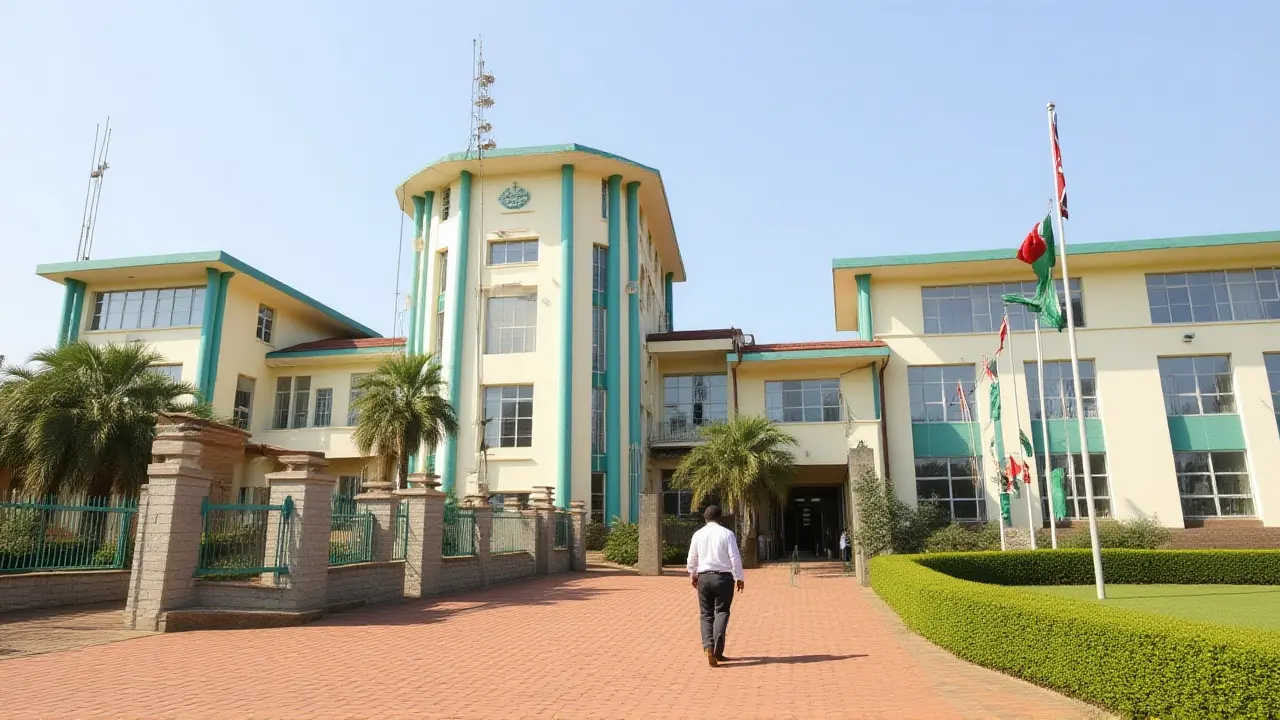
When Kiplagat Kotut, Acting Vice Chancellor of Moi University, signed off on the termination of nearly 900 employees in May 2025, he wasn’t just cutting costs—he was triggering a constitutional-style showdown between university management and labor unions. The move, affecting 892 staff members including 120 lecturers, was framed as a desperate survival tactic for an institution drowning in debt.
The letters hit desks in Eldoret on a Wednesday, giving workers exactly 30 days to clear their offices and return university property. But here’s the thing: this wasn’t a clean break. It was the latest chapter in a decade-long financial bleed that has left the university with a staggering Ksh8 billion ($62 million) debt burden by mid-2026.
A Right-Sizing Exercise or a Legal Nightmare?
Management called it “right-sizing.” Unions called it illegal. The memo, signed by Loice Maru, Ag Deputy Vice-Chancellor, Administration, Planning and Strategy, cited Section 40 of Kenya’s Employment Act, 2007. On paper, it looked compliant. In practice, it sparked immediate outrage.
The justification? Dwindling student enrollment, overstaffing, and economic strain. Kotut later told lawmakers that some staff were “parasitising on others,” doing nothing while the institution struggled. He argued that a workload analysis revealed gaps—people paid but not teaching. To him, letting them go was logical. To the University Academic Staff Union (UASU) and the Kenya University Staff Union (KUSU), it was a betrayal.
Union leader Wasonga pointed out a glaring contradiction: Education Cabinet Secretary Julius Migos Ogamba had previously assured staff that academic roles would be protected. Yet, even the sole lecturer handling German language studies—a niche subject with active enrollment—was handed a pink slip. That specific loss highlighted the potential academic crisis brewing beneath the headlines.
The Courts Step In
Turns out, you can’t just fire nearly a thousand people without consulting those who represent them. The Employment and Labour Relations Court moved fast. In May 2025, judges suspended the issuance of redundancy letters, citing procedural flaws. By July 24, 2025, the court had gone further, quashing the notices entirely and ordering Moi University to withdraw the termination letters.
But wait—the drama didn’t end there. Reports emerged alleging the university ignored interim court orders, proceeding with parts of the clearance process anyway. Contributor Nyabuta claimed the institution defied judicial directives, adding fuel to the fire. For many staff members, the legal victory felt hollow if they’d already been forced to hand back their ID cards and keys.
Back to the Drawing Board in 2026
Fast forward to July 2026. The debt hasn’t vanished. If anything, it’s grown. Kotut appeared before the National Assembly Education Committee on July 2, 2026, defending a new round of layoffs. This time, he promised “meaningful consultations” with unions, as ordered by the court. He insisted the new plan was data-driven, based on a fresh workload audit.
“We realized some people have actually not been teaching,” Kotut said, echoing his earlier sentiments. “So we are saying if you have not been doing anything, why don’t we let them go?”
The irony is palpable. The university is trying to save itself by cutting staff, but each cut risks further eroding its academic capacity. With Ksh8 billion in debt, the pressure is immense. Yet, slashing human resources without fixing the root causes—enrollment drops, administrative bloat, and funding gaps—might just be treating the symptom while ignoring the disease.
What’s Next for Moi University?
The road ahead is rocky. Fresh layoffs loom, but so does renewed litigation. UASU and KUSU remain vigilant, threatening legal action if procedures aren’t followed. Meanwhile, students and faculty watch nervously, wondering if the quality of education will suffer.
This isn’t just about jobs; it’s about the future of public higher education in Kenya. Moi University’s struggle mirrors broader challenges facing state-funded institutions nationwide. How do you balance fiscal responsibility with academic integrity? The answer remains elusive.
Frequently Asked Questions
Why did Moi University sack nearly 900 employees?
The university cited severe financial constraints, dwindling student enrollment, and overstaffing as primary reasons. Management claimed a workload analysis showed some employees were not contributing significantly, prompting a cost-cutting measure to keep the institution afloat amid a Ksh8 billion debt burden.
Did the courts stop the layoffs?
Yes, initially. The Employment and Labour Relations Court suspended the redundancy letters in May 2025 and fully quashed them by July 24, 2025, ordering the university to withdraw the notices due to lack of proper consultation with unions. However, allegations persisted that some clearance processes continued despite the injunction.
Are more layoffs planned for 2026?
Yes. Acting Vice Chancellor Kiplagat Kotut announced new layoff plans in July 2026, following a fresh workload audit. Unlike the 2025 attempt, management claims this round will involve meaningful consultations with unions to comply with court orders, targeting staff identified as having minimal workloads.
How much debt does Moi University owe?
By July 2026, reports indicated Moi University’s debt had reached approximately Ksh8 billion (around $62 million). This accumulated debt stems from more than a decade of financial challenges, including declining enrollment and operational inefficiencies.
Who represents the affected staff?
The University Academic Staff Union (UASU) and the Kenya University Staff Union (KUSU) represent the affected lecturers and non-teaching staff. Both unions condemned the 2025 redundancies as unprocedural and have threatened legal action against any future non-compliant layoffs.