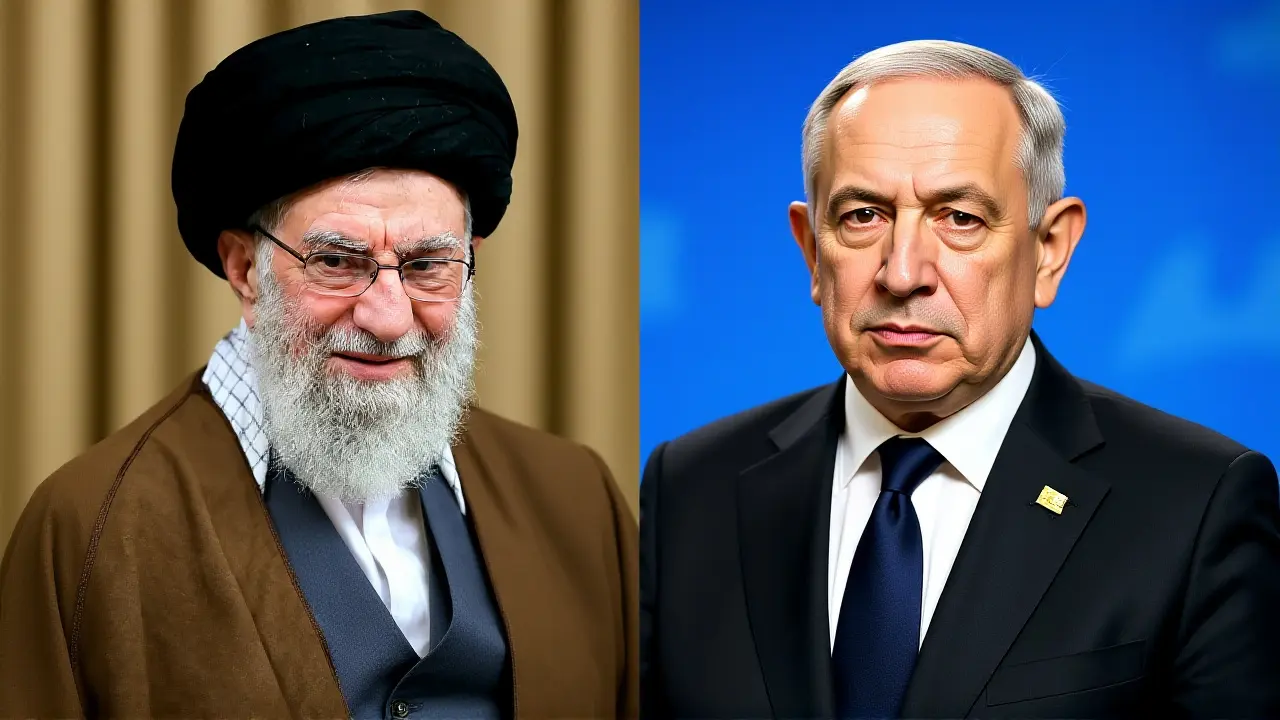
The Middle East is currently spiraling into a full-scale regional war as Iran ramps up lethal strikes against U.S. and Israeli targets. By April 18, 2026, the conflict has entered its fifth consecutive day of intense combat, marking one of the most dangerous escalations in decades. This surge in violence follows a devastating joint operation on February 28, 2026, where U.S. and Israeli forces targeted Tehran, resulting in the reported death of Ali Khamenei, Iran's Supreme Leader.
Here's the thing: the fighting isn't just happening in the air over Tehran. The Strait of Hormuz—the world's most critical energy artery—has turned into a maritime battlefield. The Iranian Islamic Revolutionary Guard Corps (IRGC) is playing a high-stakes game of cat-and-mouse with the U.S. Navy, claiming they've crippled everything from commercial tankers to massive assault ships.
Key Facts of the Escalation
- Critical Date: Full-scale hostilities intensified around April 13-18, 2026.
- U.S. Assets Targeted: USS Tripoli (LHA-7), USS Frank E Petersen Jr., and USS Michael Murphy.
- Israeli Assets Targeted: Commercial vessels MSC Ishyka and MSC Aisha.
- Human Toll: At least 80 Iranian sailors killed in a single submarine strike off Sri Lanka.
- Diplomatic Angle: A proposed 45-day ceasefire mediated by Pakistan, Egypt, and Turkey.
Chaos in the Strait: IRGC Claims and Naval Standoffs
The IRGC has been vocal about its operations, claiming they've set the Israeli-linked ship MSC Ishyka ablaze using drones. But the real shocker is their claim regarding the USS Tripoli. This amphibious assault ship, carrying roughly 3,500 sailors and Marines, was allegedly struck by cruise missiles, forcing it to retreat toward the southern Indian Ocean. Oddly enough, the Pentagon hasn't confirmed if the ship was actually hit or if the course change was a tactical maneuver.
Tensions peaked during a brutal 10-day standoff last week. According to Iranian state media, IRGC naval forces locked 16 cruise missiles onto two U.S. destroyers: the USS Frank E Petersen Jr. and the USS Michael Murphy. A video released by IRIB shows Iranian personnel bluntly ordering the "Navy warship 121" to leave the area or be targeted. Turns out, the U.S. crew reportedly asked for a few minutes to consult with command before ultimately pulling back. It was a moment of extreme tension where a single mistake could have triggered a global catastrophe.
U.S. and Israeli Counter-Strikes: The Hidden War
While Iran claims dominance in the Strait, the U.S. military is hitting back with surgical precision. In a move that caught the region by surprise, a U.S. submarine sank an Iranian warship in the Indian Ocean, just off the coast of Sri Lanka. The fallout was grim: the Sri Lankan foreign minister confirmed at least 80 deaths, with another 140 sailors still missing. It's a sobering reminder of the lethality of undersea warfare.
But wait, there's more. In a series of "secret" operations, the U.S. and Israel claim to have hunted down five Iranian warships that were masquerading as harmless container vessels. This kind of deceptive warfare shows that both sides are operating in a gray zone where nothing is as it seems. Meanwhile, in Tehran, Israeli forces are reportedly hitting security headquarters and other military hubs, leaving the capital feeling unsettled and empty.
Regional Spillover and Global Implications
This isn't just a bilateral fight. The violence is bleeding into neighboring countries. Iran has launched drone and missile strikes into Kuwait and the United Arab Emirates. In Kuwait, the conflict hit home literally, with six people injured when a missile struck a residential area. This regional spread proves that the "shadow war" has officially stepped into the light.
The global economy is watching with bated breath. If the Strait of Hormuz closes, oil prices would likely skyrocket. Donald Trump, the U.S. President, has been clear: reopen the waterway or face strikes on Iranian bridges and power plants. The Iranian response? They've vowed to hit back even harder if the U.S. follows through on those threats. It's a classic geopolitical deadlock.
The Path to Peace: A Fragile Hope
Is there any way out? There are whispers of a 45-day ceasefire. This potential deal is being brokered by a trio of mediators: Pakistan, Egypt, and Turkey. However, don't hold your breath just yet. Iranian officials have flatly denied that any direct negotiations are happening. (They've said this before during previous crises, so the skepticism is warranted).
For now, the funeral of the late Ayatollah Ali Khamenei has been postponed. The streets of Tehran are quiet, but the skies are not. As U.S. military leaders warn that operations will move "progressively deeper" into Iranian territory, the world is left wondering if this is the start of a limited conflict or a total regional collapse.
Frequently Asked Questions
Why did the conflict escalate so sharply in April 2026?
The escalation is a direct response to joint U.S.-Israeli strikes on February 28, 2026. Those attacks reportedly killed the Iranian Supreme Leader, Ali Khamenei, and several high-ranking military commanders, prompting Iran to launch a massive retaliatory campaign across the Middle East.
What is the significance of the USS Tripoli in this conflict?
The USS Tripoli (LHA-7) is a massive amphibious assault ship and the flagship of the 31st Marine Expeditionary Unit. Carrying 3,500 personnel, it represents a significant projection of U.S. power. The IRGC's claim of striking this vessel is intended to show that U.S. naval superiority can be challenged.
How is the global energy market affected by the Strait of Hormuz tension?
The Strait of Hormuz is the world's most vital chokepoint for oil exports. With Iranian forces targeting commercial ships like the MSC Ishyka and Aisha, shipping insurance rates are soaring and there is a high risk of supply disruptions that could trigger global price spikes.
Who is mediating the potential ceasefire?
Pakistan, Egypt, and Turkey are the three nations reportedly attempting to broker a 45-day ceasefire to prevent a total regional war. While these nations have diplomatic ties with various parties, Iran has officially denied that any direct negotiations are currently underway.